
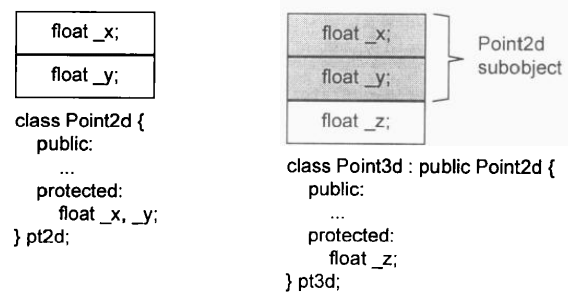
#include <iostream>
#include <vector>

using namespace std;

class Foo {
public:
    int val;
    char bit1, bit2, bit3;
};

class A {
public:
    int val;
    char bit1;
};

class B : public A {
public:
    char bit2;
};

class C : public B {
public:
    char bit3;
};

int main()
{
    cout << "size Foo = " << sizeof(Foo) << endl;
    cout << "size C   = " << sizeof(C) << endl;
    system("pause");
    return 0;
}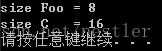
C++语言保证,出如今派生类中的基类子对象有其完整原样性,这是关键所在。
为什么要使用这样牺牲空间的布局?原因是在对象之间拷贝时。仅仅对子对象进行成员拷贝而不影响派生类中的成员。
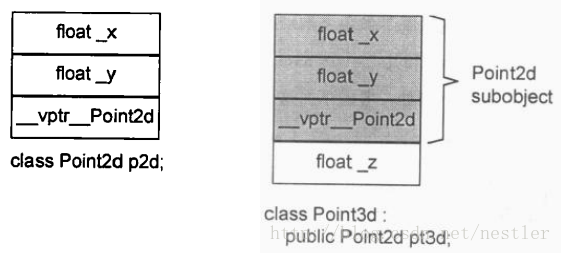
所以当一个基类指针指向派生类时,能够顺利取得这个vptr然后调用所需的虚函数以表现多态性。
#include <iostream>
#include <vector>

using namespace std;

class Foo {
public:
    int x;
};

class Bar : public Foo {
public:
    int y;
    virtual void func()
    {}
};

int main()
{
    Bar bar;
    cout << &bar << endl;
    cout << &bar.x << endl;
    cout << &bar.y << endl;
    system("pause");
    return 0;
}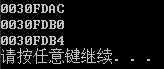
对后继的基类指针的赋值,须要由编译器负责加上一个偏移地址。
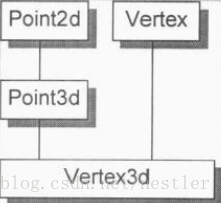
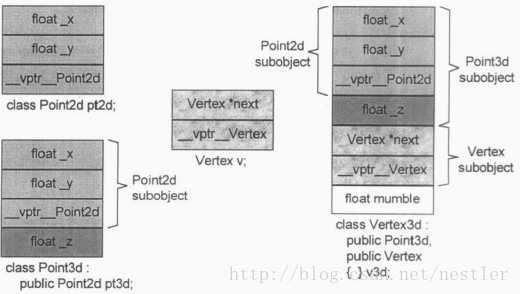
Vertex3d v3d;
Vertex *pv;
Point2d *p2d;
Point3d *p3d;pv = &v3d;
p2d = &v3d;
p3d = &v3d;然后,对第二和第三种赋值操作。仅仅须要简单地拷贝其地址就好。由于Point2d指针和Point3d指针都指向对象v3d的起始地址。
原文:https://www.cnblogs.com/mqxnongmin/p/10628184.html